
How Often Should Commercial Carpets Be Professionally Cleaned in Albuquerque?
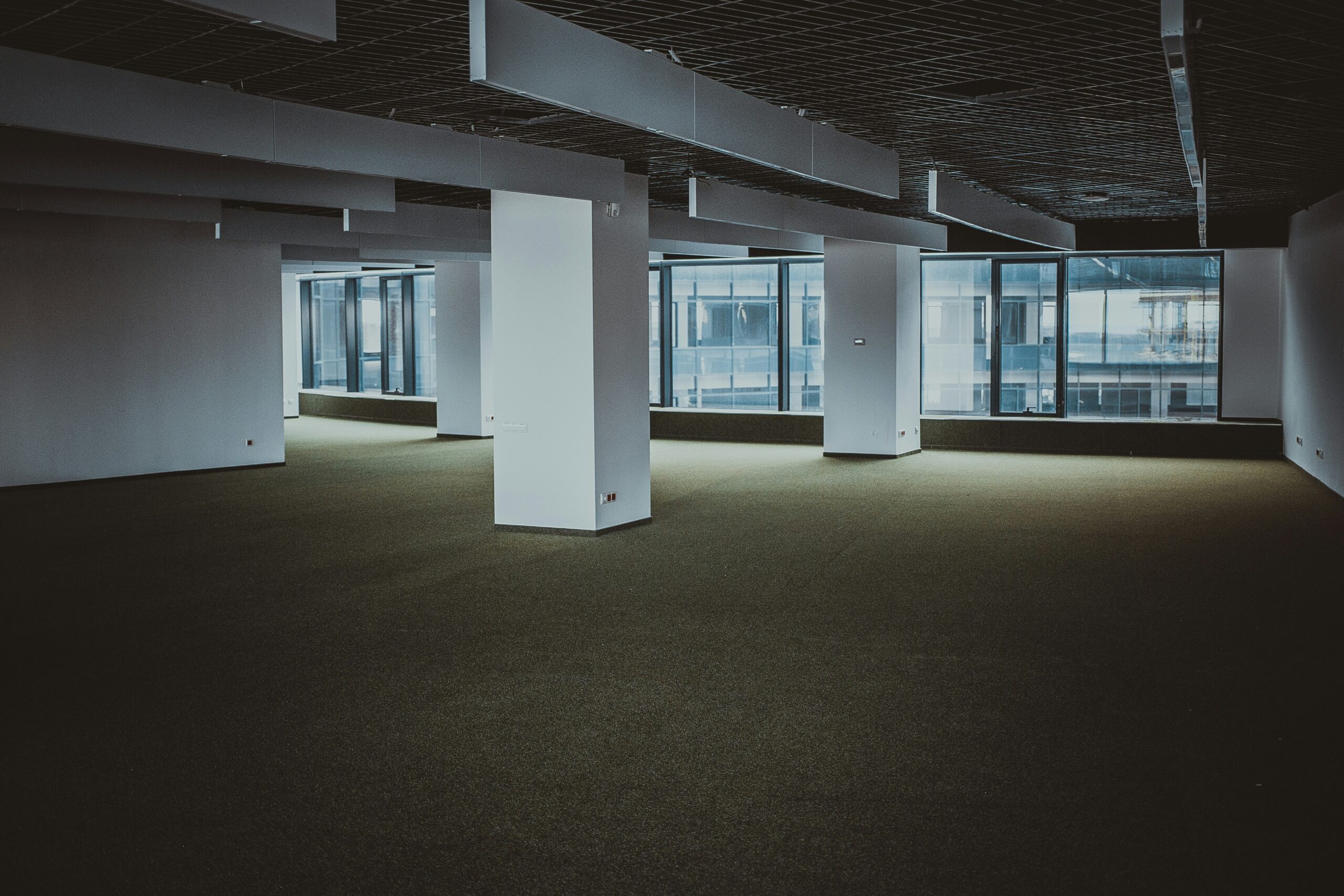 Commercial carpets in Albuquerque should be professionally cleaned according to foot traffic, carpet condition, and the type of business using the space. Busy entrances and hallways often need cleaning more frequently than private offices or meeting rooms with limited use.
There is no single cleaning interval that works for every commercial building. An office with a handful of employees has different maintenance needs than a busy retail store, restaurant, or medical facility.
Albuquerque’s dry climate, windblown dust, and seasonal monsoon rains also influence how quickly dirt accumulates in commercial carpeting.
The most practical approach is to establish a cleaning schedule for different areas of your building, inspect carpet conditions regularly, and adjust the schedule when necessary.
This helps businesses maintain clean, professional-looking floors without scheduling unnecessary cleaning or waiting until heavy soil becomes difficult to remove.
How Often Should Commercial Carpets Be Professionally Cleaned?
The right professional carpet cleaning frequency depends on how quickly soil accumulates and whether routine maintenance is keeping the carpet in acceptable condition.
Some commercial spaces may need several professional cleanings throughout the year. Others with limited traffic may require less frequent service.
Instead of assigning the same schedule to every room, consider three factors:
- Foot traffic: How many employees, customers, and visitors walk across the carpet each day?
- Soil exposure: How much dust, moisture, and outdoor debris enters the building?
- Carpet condition: Does the carpet remain clean between scheduled services, or are traffic lanes becoming visibly dirty?
The carpet manufacturer’s maintenance instructions should also guide the schedule. Some commercial carpet products have specific cleaning and care requirements, particularly when warranty coverage is involved.
For Albuquerque businesses, a cleaning plan based on actual conditions is more useful than automatically scheduling every room at the same interval.
Why Does Commercial Carpet Cleaning Frequency Differ by Business?
Daily Foot Traffic and Building Use
Foot traffic is one of the strongest factors affecting commercial carpet maintenance.
Consider the difference between a private accounting office and a retail store.
The accounting office may have several employees working at desks throughout the day, with relatively few visitors.
A retail store may have customers continually entering from the parking lot, walking through aisles, and stopping near checkout areas.
Even when the two businesses have similar carpeted square footage, their cleaning needs can be quite different.
Heavy traffic can push dirt deeper into carpet fibers. Repeated walking may also flatten carpet pile, making heavily used areas look darker or more worn.
Regular professional cleaning can remove accumulated soil, but it cannot reverse every form of physical carpet wear.
Businesses evaluating their flooring needs can learn more about the factors that make commercial carpet cleaning important for Albuquerque businesses.
Albuquerque Dust and Seasonal Weather
Albuquerque businesses face particular challenges from the surrounding desert environment.
Wind can carry fine dust and grit into buildings through entrances, open doors, and other openings.
Employees and customers also track outdoor soil onto carpeting from sidewalks, parking lots, and landscaped areas.
During summer monsoon storms, moisture and mud can increase the amount of debris brought indoors.
The areas closest to exterior entrances generally receive the greatest exposure.
A business may therefore need additional vacuuming, mat maintenance, or professional cleaning in entryways while leaving the cleaning schedule for interior offices unchanged.
Seasonal weather should prompt closer inspections rather than an automatic increase in cleaning frequency throughout the entire building.
Carpet Type and Manufacturer Recommendations
Not all commercial carpets are constructed the same way.
Carpet tile, broadloom carpeting, and different fiber materials may require different cleaning methods and maintenance procedures.
Some products are designed for demanding commercial environments, while others may be more sensitive to moisture, cleaning solutions, or mechanical agitation.
The Carpet and Rug Institute provides carpet care and maintenance resources that help explain the importance of proper cleaning methods.
Businesses should also review the care instructions from the manufacturer of their specific carpet product.
These instructions may identify suitable cleaning methods, maintenance requirements, and conditions that affect warranty coverage.
Build a Commercial Carpet Cleaning Schedule by Traffic Zone
A commercial building rarely experiences equal foot traffic in every room.
Dividing the property into maintenance zones makes it easier to direct cleaning resources where they are needed most.
| Commercial carpet area | Typical soil exposure | Recommended maintenance approach |
| Main entrances and reception areas | Heavy foot traffic, outdoor dust, tracked-in moisture | Inspect frequently, vacuum regularly, and arrange professional cleaning when soil accumulates |
| Main hallways and shared workspaces | Repeated employee and visitor traffic | Monitor traffic lanes and adjust cleaning frequency according to visible soil |
| Open offices and workstations | Moderate traffic, chair movement, occasional spills | Maintain routine vacuuming and schedule periodic professional cleaning |
| Private offices | Lower or intermittent traffic | Inspect regularly and clean based on condition and manufacturer guidance |
| Conference rooms | Varies according to meeting frequency | Review use patterns and address spills promptly |
| Break rooms with carpeting | Food spills, beverage stains, repeated traffic | Use prompt spot cleaning and monitor for recurring stains or odors |
This approach avoids treating a lightly used conference room as though it experiences the same conditions as a busy public entrance.
Entrances and Reception Areas
The first several feet inside a commercial entrance often experience significant soil exposure.
Outdoor grit can become trapped in carpet fibers as people walk into the building.
Properly maintained walk-off mats help capture some of this debris before it reaches the carpeting.
However, mats must be cleaned and replaced when necessary. A heavily soiled mat can become another source of tracked-in dirt.
Inspect entrance carpeting frequently for dark traffic lanes, embedded grit, and stains that remain after routine maintenance.
These areas may need professional attention before the rest of the building.
Hallways and Shared Work Areas
Hallways concentrate foot traffic into relatively narrow paths.
Employees may walk the same route dozens of times each day between workstations, meeting rooms, and shared facilities.
As dirt accumulates, traffic lanes can develop a dull or discolored appearance.
Regular vacuuming is important, but it may not remove all embedded soil.
When the carpet continues to look dirty after thorough vacuuming, professional cleaning may be appropriate.
Private Offices and Low-Traffic Rooms
Private offices and infrequently used meeting rooms generally accumulate less tracked-in soil than entrances and main corridors.
These areas may remain in good condition longer when routine vacuuming and prompt spot cleaning are maintained.
Cleaning them as frequently as heavily used entrances may add expense without a corresponding maintenance benefit.
However, limited foot traffic does not eliminate the need for inspections. Spills, dust accumulation, and other conditions can still require professional attention.
What Are the Signs Commercial Carpets Need Cleaning Sooner?
A maintenance schedule is useful, but carpet conditions should determine whether the next cleaning appointment needs to be moved forward.
Watch for changes that routine vacuuming and spot cleaning no longer address.
Dark Traffic Lanes Remain After Vacuuming
When hallways and entrances look noticeably darker than surrounding carpet, embedded soil may be accumulating.
Vacuuming removes loose debris, but professional cleaning may be needed to address soil that remains trapped in the carpet.
Dark areas can also result from crushed fibers or permanent wear, so cleaning will not necessarily restore every traffic lane to its original appearance.
Stains Keep Returning
Spills that appear to disappear and then return can indicate that residue remains in the carpet.
Some stains require specialized treatment, while others may be permanent.
Repeatedly applying cleaning products without understanding the stain or carpet material can make the problem worse.
The Carpet Develops Persistent Odors
Lingering odors may indicate spills, accumulated soil, or contamination that ordinary vacuuming cannot address.
Professional cleaning may help with certain odor sources, but persistent musty smells or suspected moisture damage require further investigation.
If carpet is wet from a leak or flooding, the issue should be assessed promptly rather than handled as routine scheduled cleaning.
Carpets Look Dirty Soon After Cleaning
If carpeted areas become noticeably soiled shortly after professional cleaning, review the maintenance program.
Possible causes include insufficient vacuuming, inadequate entrance mats, unusually heavy traffic, or a cleaning method that did not adequately address the soil.
This does not automatically mean that professional cleaning should be scheduled more frequently. Improving daily maintenance may solve part of the problem.
What Should Happen Between Professional Carpet Cleanings?
Professional deep cleaning is only one part of commercial carpet maintenance.
Routine care helps control the amount of dirt that accumulates between service visits.
Regular Vacuuming
Vacuuming removes loose soil before it becomes more deeply embedded through repeated foot traffic.
High-traffic areas may need daily attention, while less-used spaces can be maintained according to their actual conditions and manufacturer guidance.
The type of vacuum, its maintenance, and the cleaning technique also matter.
A machine with a full collection container, clogged filter, or poorly maintained brush may not clean effectively.
For more information, review these carpet vacuuming, cleaning, and maintenance schedule tips.
Prompt Spill and Spot Treatment
Spills should be addressed promptly using methods suitable for the carpet material.
Blotting an appropriate spill is generally preferable to aggressive scrubbing, which may spread the stain or damage fibers.
Commercial cleaning staff should follow the carpet manufacturer’s instructions and the directions for any approved cleaning products.
Avoid excessive moisture or repeated chemical applications.
Interim Carpet Maintenance
Some commercial facilities use interim cleaning methods to manage surface soil and appearance between deeper professional cleanings.
These methods can be useful in busy areas, but they do not necessarily replace periodic deep cleaning.
The appropriate combination depends on the carpet’s construction, the manufacturer’s guidance, and the level of accumulated soil.
ThoroClean provides professional hot water extraction and other carpet cleaning services. Learn more about professional office carpet cleaning in Albuquerque and why choosing an appropriate cleaning method matters.
How Can You Review and Adjust Your Commercial Carpet Cleaning Schedule?
The most effective cleaning schedule combines planned service dates with regular observations of carpet condition.
A simple maintenance log can help facilities managers identify areas that need attention and avoid cleaning spaces more often than necessary.
Start With a Building Inspection
Walk through the property and identify high-, moderate-, and low-traffic carpeted areas.
Record visible soil, stains, traffic-lane discoloration, and any special cleaning concerns.
Review the manufacturer’s instructions before establishing a professional cleaning schedule.
Inspect Conditions Monthly
A monthly inspection provides a consistent opportunity to compare carpet conditions and identify developing problems.
For heavily used entrances, more frequent checks may be appropriate.
Record the findings using a simple log.
| Area | Inspection finding | Maintenance decision |
| Main entrance | Visible grit and dark traffic lane | Increase routine soil removal and assess need for professional cleaning |
| Main hallway | Carpet remains clean after vacuuming | Continue current maintenance schedule |
| Open office | Several recurring coffee stains | Review spot treatment and cleaning needs |
| Conference room | Minimal soil and limited use | Continue monitoring without automatically increasing service |
This example shows how a business can make decisions based on observed conditions rather than applying one cleaning interval throughout the building.
Evaluate Results After Professional Cleaning
Following a cleaning appointment, inspect the treated areas once they are appropriately dry.
Compare the results with the conditions recorded before cleaning.
Consider whether the carpet maintained an acceptable appearance until the scheduled service or became heavily soiled much earlier.
If soil repeatedly builds up before the next appointment, the area may need more frequent professional cleaning or stronger routine maintenance.
If a low-traffic room remains in good condition, its cleaning interval may be extended when consistent with manufacturer requirements.
Review the Schedule When Business Conditions Change
Commercial carpet maintenance needs can change over time.
An office may hire additional employees, a retail store may experience seasonal customer traffic, or a building may undergo renovations that increase dust.
Changes in occupancy, operating hours, and outdoor conditions should prompt a review of the existing schedule.
A flexible plan helps property managers direct cleaning resources where they are most useful.
For additional context, see why regular commercial carpet cleaning matters for Albuquerque businesses.
Frequently Asked Questions About Commercial Carpet Cleaning Frequency
Is Professional Carpet Cleaning Once a Year Enough for an Office?
Annual professional cleaning may be sufficient for some lightly used office areas, but it may not be enough for busy entrances, corridors, or shared workspaces.
The appropriate interval depends on traffic, soil accumulation, carpet construction, and manufacturer requirements. Businesses should inspect carpet conditions throughout the year rather than assuming an annual cleaning will meet every area’s needs.
Should Albuquerque Businesses Clean Carpets More Often During Monsoon Season?
Not necessarily throughout the entire building.
Monsoon rains can increase the amount of mud and moisture tracked through entrances. Businesses should pay particular attention to entrance mats, reception areas, and frequently used corridors.
If these areas become heavily soiled, additional professional cleaning may be appropriate. Interior rooms that remain clean may not need a schedule change.
Can Commercial Carpets Be Professionally Cleaned Too Often?
Professional cleaning should be performed using methods suitable for the carpet and at a frequency supported by its condition and care requirements.
Unnecessary cleaning adds expense. Improper cleaning methods, excessive moisture, or unsuitable products can also damage certain carpet materials.
The Institute of Inspection, Cleaning and Restoration Certification (IICRC) develops professional cleaning standards and provides information about training and certification. Its resources can help businesses understand the importance of appropriate cleaning practices.
Does Vacuuming Replace Professional Commercial Carpet Cleaning?
No. Vacuuming and professional cleaning serve different purposes.
Vacuuming removes loose surface soil and is essential for routine maintenance. Professional cleaning addresses accumulated soil that ordinary vacuuming may not adequately remove.
A good commercial maintenance program uses both approaches, along with prompt spill treatment and periodic inspections.
Should Commercial Carpet Cleaning Be Scheduled After Business Hours?
After-hours cleaning can help reduce interruptions to employees, customers, and normal business operations.
However, scheduling should also account for equipment access, ventilation, drying conditions, and the time needed before the carpet can be used again.
Businesses should discuss these requirements with their cleaning provider before scheduling service.
Discuss a Commercial Carpet Maintenance Plan in Albuquerque
The best commercial carpet cleaning schedule is one that reflects how your building is actually used.
A busy retail entrance may require more attention than a private office. Hallways, workstations, and conference rooms may also benefit from different maintenance intervals.
ABQ ThoroClean provides professional carpet cleaning services for businesses in Albuquerque, Rio Rancho, Corrales, and surrounding communities.
With professional hot water extraction equipment and experience addressing embedded dirt, stains, and heavily used carpeted areas, ThoroClean can help businesses evaluate their carpet cleaning needs.
Learn more about ThoroClean’s professional carpet cleaning services or contact ABQ ThoroClean to discuss your property’s carpet condition, traffic patterns, and cleaning requirements.
A practical maintenance schedule begins with understanding your carpet’s condition, not simply choosing a date on the calendar. Regular inspections, consistent vacuuming, and professional cleaning when appropriate can help keep your Albuquerque business looking clean and welcoming.