
How Do You Get a Bad Smell Out of Carpet That Won’t Go Away?
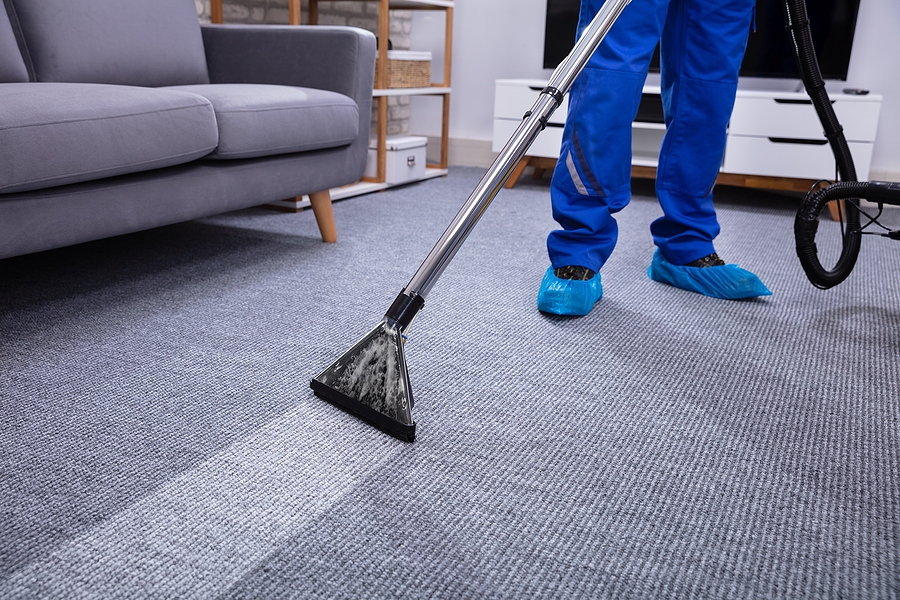 You vacuum the carpet. You clean the spot. You spray a deodorizer. Maybe you even rent a carpet cleaner and shampoo the entire room.
For a while, everything smells better.
Then the odor comes back.
When a bad smell in carpet won’t go away, repeatedly adding more cleaner or fragrance may not solve the problem. The first step is figuring out what is causing the odor and where the source is located.
So, how do you get a bad smell out of carpet that won’t go away?
Persistent carpet odors usually require identifying and removing or treating the source of the smell—not simply covering it with fragrance. If the source is limited to the carpet fibers, thorough cleaning and extraction may solve the problem. If contamination has penetrated into the carpet backing, padding, or materials underneath, more targeted treatment may be necessary.
Common sources of stubborn carpet odors include pet urine, food and drink spills, moisture, smoke, embedded soil, and cleaning-product residue.
For Albuquerque homeowners, there is another factor to consider. Fine desert dust, wind-blown dirt, seasonal pollen, pets, and everyday household traffic can all contribute to carpet that gradually becomes dirty and stale-smelling.
The right solution depends on what is actually causing the odor.
Why Does My Carpet Smell Even After I Clean It?
One of the most common mistakes homeowners make is treating every carpet odor as though it were a surface problem.
Carpet has multiple layers.
What you see and touch is primarily the carpet fiber. Underneath that surface are the carpet backing and usually padding. Depending on the type and severity of contamination, liquids and odor-producing material can travel deeper than the visible fibers.
Think of the problem this way:
Carpet fibers → Carpet backing → Carpet padding → Materials below
If the odor source is on or near the surface, normal cleaning may work very well.
If the contamination has traveled deeper, cleaning only the surface may temporarily improve the smell without eliminating the source.
That is why a carpet can look clean and still smell bad.
What Causes a Bad Smell in Carpet?
Before deciding how to treat the carpet, try to identify the type of odor.
Different smells can point toward very different problems.
Pet Urine and Pet Odors
Pet urine is one of the most common causes of persistent carpet odor.
A small, recent accident may remain relatively close to the carpet surface and respond well to prompt treatment.
Repeated accidents are different.
If a dog or cat repeatedly urinates in the same location, the contamination can potentially move through the carpet fibers and backing into the padding or materials underneath.
This is why homeowners sometimes clean a visible pet stain several times but continue smelling urine.
The visible spot may not represent the entire contaminated area.
When the smell keeps returning, the question is no longer simply, “How do I clean this stain?”
It becomes, “How deeply did the contamination travel?”
Food and Beverage Spills
Not every lingering carpet smell comes from pets.
Milk, food, coffee, sauces, and other spills can work their way into carpet.
A homeowner may blot the visible spill and think the problem is resolved. But if material remains deeper in the carpet, an unpleasant odor can develop later.
Older spills can be especially difficult because homeowners may not remember what caused them.
This is common when a room smells sour or stale but there is no obvious visible stain.
Moisture and Musty Odors
A musty carpet smell deserves special attention because cleaning the carpet may not address the underlying cause.
Moisture can come from a variety of sources, including spills, leaks, water intrusion, or carpet that remained damp for an extended period.
If the carpet smells musty, ask why it became damp in the first place.
Simply deodorizing or repeatedly cleaning damp carpet without correcting an ongoing moisture source is not a long-term solution.
If there is continuing moisture, visible mold, or concern that materials beneath or around the carpet have been affected, the moisture source should be corrected and the condition appropriately evaluated.
Smoke Odors
Carpet can hold odors associated with smoke.
Smoke-related contamination may not be limited to flooring, however. Odor can also affect upholstery and other materials in the indoor environment.
That means cleaning the carpet may be one part of addressing a broader odor problem rather than the entire solution.
The severity and duration of the smoke exposure matter when determining what cleaning can reasonably accomplish.
Embedded Dirt and General Household Soil
Sometimes there is no single dramatic spill or pet accident.
The carpet simply smells stale.
Over time, carpeting can collect dirt and debris from daily living. In Albuquerque homes, this can include fine desert dust, wind-blown dirt, seasonal pollen, tracked-in soil, pet-related debris, and other material.
Regular vacuuming removes a significant amount of loose material, but some soil can become embedded deeper in the carpet, particularly in high-traffic areas.
Eventually, professional deep cleaning may be appropriate even when there is no single identifiable stain.
Cleaning-Product Residue
More carpet cleaner does not necessarily mean cleaner carpet.
Homeowners sometimes repeatedly apply shampoos, spot cleaners, or other products when an odor does not disappear.
If those products are not adequately extracted, residue can remain behind.
This is one reason successful carpet cleaning depends not only on applying an appropriate cleaning solution but also on thoroughly extracting loosened soil, cleaning product, and moisture.
Common Carpet Odors and What They May Mean
| Type of Odor | Possible Source | What to Consider |
| Urine-like | Dog or cat accidents | Determine whether contamination may extend below the fibers |
| Sour | Food, drink, or older spill | Locate the original spill and determine how deeply it penetrated |
| Musty or damp | Moisture or water-related problem | Identify and correct the moisture source before relying on deodorizing |
| Smoky | Smoke exposure | Carpet may be only one affected material in the room |
| Stale or dirty | Embedded soil and household debris | Deep carpet cleaning may be appropriate |
| Chemical or overly perfumed | Previous cleaning or deodorizing products | Repeated product application may not have removed the original odor source |
An odor can have more than one possible cause, so this table should be treated as a starting point rather than a diagnosis.
Why Doesn’t Carpet Deodorizer Solve the Problem?
There is an important difference between making carpet smell better and removing what is making the carpet smell bad.
A fragrance can temporarily cover an unpleasant odor.
That can be useful when the original source has already been removed and the carpet simply needs freshening.
But if urine, food contamination, embedded soil, or another odor source remains in the carpet, adding fragrance does not necessarily remove it.
This explains why some products seem to work wonderfully for a day or two before the original smell becomes noticeable again.
The odor was masked rather than fully addressed.
For a persistent problem, the goal should be source removal or appropriate source treatment, not simply stronger fragrance.
Does Baking Soda Permanently Remove Carpet Odors?
Baking soda is commonly suggested as a DIY carpet deodorizer.
For a minor surface odor, homeowners may notice some temporary improvement.
However, baking soda cannot be expected to correct contamination located in carpet backing, padding, or materials beneath the carpet.
The same principle applies to many household odor remedies.
A treatment can only address the material it actually reaches.
If a pet accident or liquid spill has traveled deeper into the flooring system, applying a product to the top of the carpet does not necessarily address the entire source.
What Can You Try Before Calling a Professional Carpet Cleaner?
Not every carpet odor requires professional service.
For a recent, minor surface problem, reasonable first steps can include:
- Identify the source as quickly as possible.
- Remove solid debris when present.
- Blot fresh liquid rather than aggressively rubbing it deeper into the carpet.
- Follow appropriate carpet-care instructions for the particular fiber and spill.
- Avoid repeatedly saturating the carpet with cleaning products.
- Improve airflow while a recently cleaned area dries.
- Vacuum regularly to control loose soil and debris.
If the odor disappears and does not return, professional treatment may not be necessary.
But if you have cleaned the same area repeatedly and the smell keeps returning, continuing to apply more of the same product may not be the best approach.
That is when professional evaluation becomes more useful.
How Does Professional Carpet Cleaning Remove Odors?
Professional carpet cleaning involves more than applying a stronger-smelling product.
ThoroClean uses professional hot water extraction for carpet cleaning, along with professional equipment and targeted cleaning products based on the condition being treated.
The typical process begins with an inspection.
1. Identify the Problem
Before cleaning begins, tell the technician what you know.
Is there a known pet accident?
Was something spilled?
Has there been a moisture problem?
Has someone already shampooed the carpet?
Has the odor existed for a few days or several months?
This information can help determine where to focus the inspection.
2. Inspect the Carpet
A professional can evaluate the carpet’s condition and identify areas requiring additional attention.
With persistent odors, this is important because the entire carpet may not require the same treatment.
3. Apply Appropriate Pre-Treatment
Professional pre-treatment helps loosen accumulated soil before extraction.
Depending on the problem, additional targeted products may be appropriate.
4. Treat Odor-Affected Areas
ThoroClean’s professional cleaning products may include:
- Enzyme treatments
- Pet odor neutralizers
- Deodorizers
- Specialized spot removers
- Carpet pre-sprays
The treatment should be selected for the actual cleaning problem rather than assuming one product works for every odor.
5. Perform Professional Hot Water Extraction
ThoroClean uses professional-grade equipment that includes truck-mounted hot water extraction systems, commercial carpet cleaning machines, rotary extraction tools, high-powered vacuums, moisture meters, and air movers when appropriate.
Extraction matters because cleaning is not just about putting solution into the carpet.
The loosened contamination, cleaning product, and moisture also need to be removed as thoroughly as practical.
6. Inspect the Results
After cleaning and spot treatment, the carpet can be inspected again.
If an odor remains, that information can help determine whether deeper contamination or another source should be considered.
Surface Odor vs. Deeper Carpet Contamination
| Location | What May Be Happening | Cleaning Consideration |
| Carpet fibers | Light soil, fresh spill, minor accident | Surface cleaning or professional carpet cleaning may resolve it |
| Carpet backing | Liquid has penetrated below visible fibers | More targeted treatment may be necessary |
| Carpet padding | Repeated or significant contamination | Standard surface cleaning may not reach the complete odor source |
| Materials below | Severe or long-term contamination | Treatment beyond ordinary carpet cleaning may need to be considered |
This is especially relevant for pet urine and significant liquid spills.
A clean-looking carpet does not automatically mean every contaminated material underneath it is clean.
Can Professional Carpet Cleaning Remove Pet Odors?
Professional cleaning can often significantly improve or remove pet odors when the affected areas are identified and appropriately treated.
ThoroClean provides both pet stain removal and pet odor treatment as part of its carpet-cleaning services.
Pet contamination varies considerably, however.
One recent dog accident is not the same as a room where a pet repeatedly urinated in several locations for months.
Results can depend on:
- Age of the contamination
- Number of affected areas
- Amount of urine
- Repeated accidents
- Carpet condition
- Carpet fiber
- Previous cleaning attempts
- Products already applied
- Depth of contamination
For severe pet problems, homeowners should avoid anyone promising complete odor removal before evaluating the condition.
Can Carpet Padding Make a Room Smell?
Yes, contamination beneath the visible carpet can contribute to a lingering odor.
This is particularly important when liquids have penetrated through the carpet.
If the carpet fibers have been cleaned but the room continues to smell, deeper materials may need to be considered as a possible source.
This does not mean every persistent odor comes from the padding.
It means repeatedly cleaning the carpet surface may have limited value if the actual odor source is somewhere else.
What Should You Do About a Musty Carpet Smell?
Treat a musty odor differently from an ordinary dirty-carpet smell.
First determine whether there is an active moisture problem.
If water is continuing to enter the area, cleaning the carpet without correcting the moisture source will not address the underlying condition.
A homeowner should be especially cautious when there has been:
- A plumbing leak
- Water intrusion
- Repeated dampness
- Carpet that stayed wet for an extended period
- Visible mold or mildew
- A continuing unexplained musty smell
The appropriate response may involve addressing the moisture problem and evaluating affected materials rather than simply deodorizing the carpet.
Can Professional Carpet Cleaning Remove Smoke Smell?
Professional cleaning may help when carpet has absorbed smoke-related odor.
However, smoke can affect more than carpet.
Upholstery and other indoor materials may also retain odors, so the carpet should be considered within the condition of the entire room.
The extent and duration of the smoke exposure will influence what professional cleaning can reasonably accomplish.
When Should Smelly Carpet Be Replaced?
A bad smell does not automatically mean the carpet needs to be replaced.
If the carpet is otherwise in good condition and the odor source can be effectively treated, professional cleaning may be a sensible first step.
Replacement becomes more worth considering when there is extensive long-term contamination, severe physical damage, widespread recurring odor, or a deeper problem that cannot reasonably be corrected through carpet cleaning alone.
Consider:
- Age of the carpet
- Overall condition
- Type of contamination
- Number of affected areas
- How long the odor has existed
- Whether the odor returns after cleaning
- Whether deeper materials may be affected
The goal should be to evaluate the condition before assuming either cleaning or replacement is automatically the right answer.
Why Albuquerque Carpets Can Develop Lingering Odors
Albuquerque’s desert environment creates its own carpet-maintenance challenges.
Fine dust and wind-blown soil routinely find their way into homes. Pets and people track in additional dirt, while seasonal pollen and monsoon conditions can add to the amount of material carpeting collects.
Over time, ordinary household soil can become embedded deeper in carpet.
Regular vacuuming remains one of the best defenses.
ThoroClean generally recommends professional carpet cleaning every 12 to 18 months, with more frequent cleaning potentially appropriate for high-traffic homes.
Homes with pets, children, heavy foot traffic, or significant soil may benefit from more frequent professional attention.
Frequently Asked Questions About Carpet Odors
Why does my carpet still smell after cleaning?
The original odor source may not have been completely removed. Contamination can sometimes exist below the visible carpet fibers or in another material in the room.
How do I get a deep smell out of carpet?
Start by identifying the source. Deep or recurring odors may require professional inspection, targeted treatment, and extraction rather than repeated surface deodorizing.
Can professional carpet cleaning remove pet odors?
Professional cleaning and targeted pet odor treatment can often significantly improve pet odors. Results depend on the age, severity, location, and depth of the contamination.
Why does my carpet smell musty?
A musty smell may indicate a moisture-related problem. Determine whether the carpet or surrounding materials are damp and address any ongoing moisture source before relying on cleaning or deodorizing alone.
Can carpet hold smoke odors?
Carpet can retain smoke-related odors. Because smoke may also affect upholstery and other materials, carpet cleaning may be only one part of addressing the overall odor problem.
Can old spills make carpet smell?
Yes. Food, beverages, and other liquids that penetrate carpet can contribute to lingering odors, particularly if material remains below the surface.
Does baking soda permanently remove carpet odors?
It should not be considered a guaranteed solution for persistent odors. A surface treatment cannot be expected to remove contamination located deeper in the carpet system.
Can carpet padding cause a room to smell?
Contamination in carpet padding can contribute to persistent odor, especially after significant liquid spills or repeated pet accidents.
When should smelly carpet be replaced?
Replacement may be worth considering when the carpet is badly worn, contamination is extensive, or persistent odor comes from a condition that professional carpet cleaning cannot reasonably correct.
Get Help With Persistent Carpet Odors in Albuquerque
If you’ve vacuumed, spot-cleaned, deodorized, or even shampooed the carpet and the bad smell keeps coming back, stop focusing only on covering the odor and start looking for its source.
Persistent carpet smells can come from pet accidents, spills, embedded soil, smoke, moisture, cleaning residue, or contamination that has moved below the visible carpet fibers.
ThoroClean provides professional carpet cleaning and pet odor treatment throughout Albuquerque and surrounding communities.
ThoroClean uses professional hot water extraction, professional-grade equipment, specialized spot treatments, enzyme treatments, pet odor neutralizers, and deodorizers based on the condition being treated.
When requesting an estimate, provide as much information as possible:
- What does the odor smell like?
- How long has it been present?
- Are there known pet accidents?
- Was anything spilled?
- Has there been a moisture or water problem?
- Which rooms or areas are affected?
- What cleaning products have already been tried?
- Has a rental carpet cleaner already been used?
Those details can help ThoroClean better understand the problem and recommend an appropriate next step.
ThoroClean
3206 Alta Monte Ave NE
Albuquerque, NM 87107
Phone: (505) 883-0437
If a stubborn carpet odor keeps returning, contact ThoroClean for an evaluation and an honest recommendation about the appropriate cleaning or odor-treatment approach.